
Growing & Preservation · 7 min read
Grow lights and heat mats for seedlings: a simple indoor seed-starting setup
Leggy, pale seedlings almost always mean too little light, and slow germination usually means cold soil. Here is how to set up grow lights and a seedling heat mat that start strong plants.
By COOPFORGE Field Desk · Updated
Key takeaways
- Most vegetable seedlings do best with about 14-16 hours of light a day.
- Keep LED lights close and raise them as plants grow; tall, stretched stems mean the light is too far away.
- A heat mat speeds germination of warm-season crops like peppers and tomatoes.
- Move trays off the heat mat once most seeds have sprouted.
/ Why a windowsill is not enough
Late-winter window light is weak and comes from one side, so seedlings stretch toward the glass and grow thin, floppy stems. A grow light directly above the tray gives even light for as many hours as the plants need, and seedlings stay short and sturdy.
/ Setting up the grow light
| Setting | Typical starting point | Adjust when |
|---|---|---|
| Hours per day | 14-16 hours, on a plug-in timer | Seedlings look pale: add an hour. Leaves bleach or curl: reduce time or raise the light |
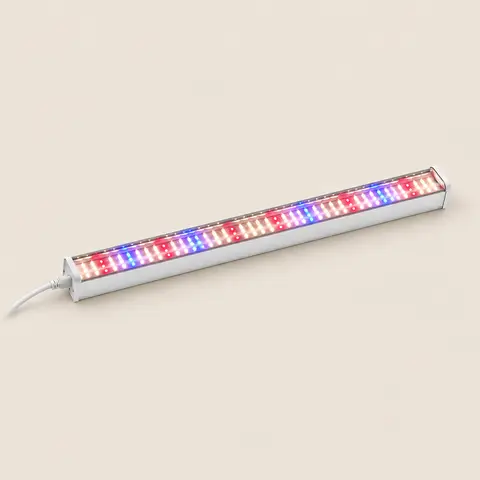
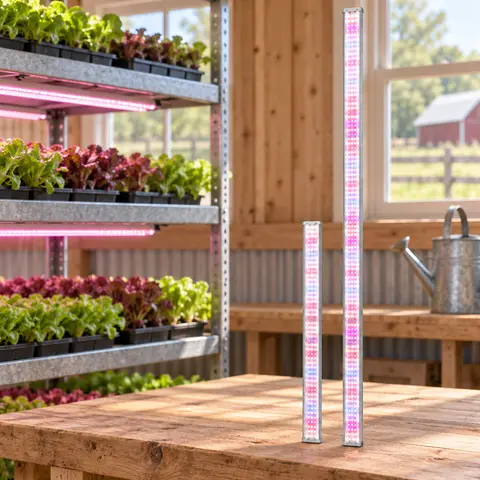
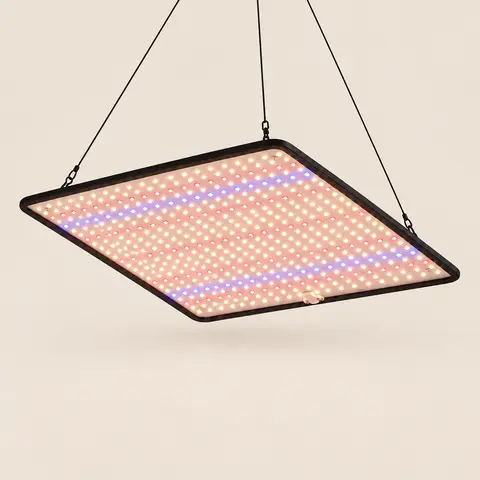
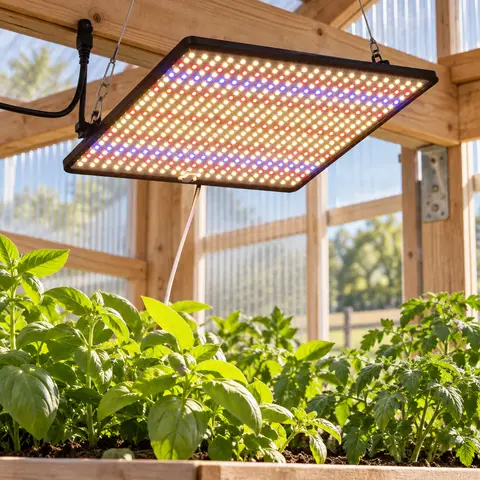
| Height above leaves | Close, often 6-12 in. for LED bars and panels | Stems stretch: lower the light. Leaf tips scorch or bleach: raise it |
| Coverage | One light covering the whole tray evenly | Plants at the edges lean inward: add a second light or move the tray |
/ When to use a seedling heat mat
Seeds sense soil temperature, not air temperature. In a cool basement or garage, warm-season crops can take weeks to sprout or rot before they do. A heat mat under the tray warms the mix from below so germination is faster and more even. Cool-season crops like lettuce, cabbage and onions usually sprout fine without it.
| Crop | Germinates well around |
|---|---|
| Peppers, eggplant | 75-85°F |
| Tomatoes | 70-80°F |
| Squash, cucumbers, melons | 75-85°F |
| Lettuce, spinach | 60-70°F (heat mat rarely needed) |
| Cabbage, broccoli | 65-75°F |
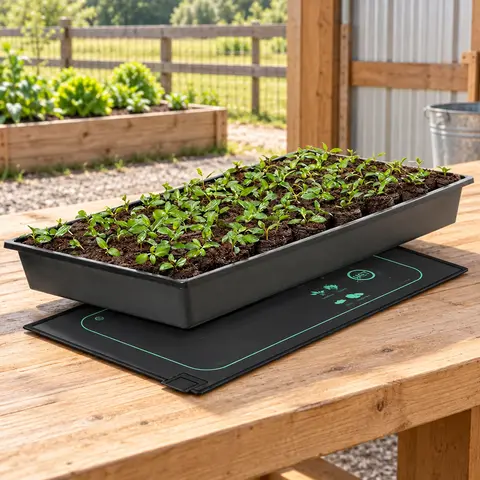
- Put the mat on a flat, dry surface and the tray directly on top.
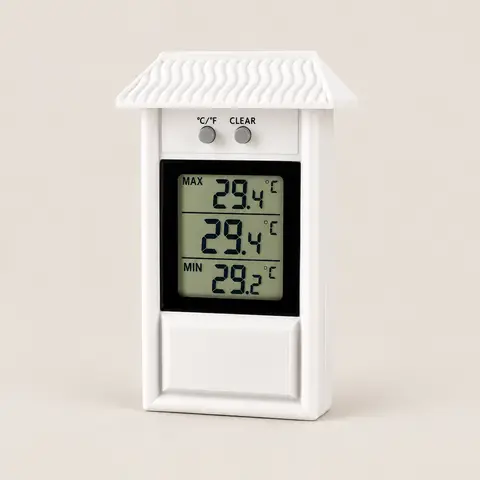
- Check soil temperature with a thermometer; mats warm the mix by a set amount over room temperature unless you use a thermostat.
- Take trays off the mat once most seeds have sprouted so roots do not overheat or dry out.
- Water from below or with a fine spray, since warm mix dries faster.
/ A simple seed-starting routine
- 01Count back from your last frostMost tomatoes and peppers are started about 6-8 weeks before your last spring frost date.
- 02Sow into moist mixUse a fine seed-starting mix, sow at the depth on the packet and cover the tray to hold moisture.
- 03Heat until they sproutRun the heat mat until most seeds are up, then remove the cover and move trays off the mat.
- 04Light right awayTurn the grow light on as soon as the first seedlings appear so they never stretch.
- 05Harden offA week or two before transplanting, set plants outside for a few hours a day, increasing the time gradually.
Seed-starting gear in the store
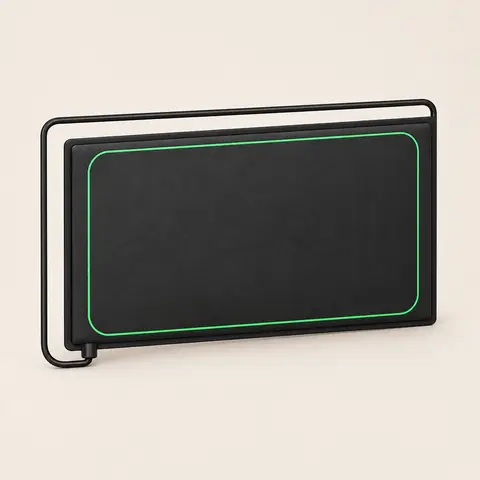
/ Growing season checklist
| Season | Tasks |
|---|---|
| Late winter | Order seed, start seedlings indoors, service irrigation |
| Spring | Top up compost, set drip lines, harden off seedlings |
| Summer | Mulch, check timers, harvest often |
| Fall | Plant cover crops, drain lines before frost |
/ Frequently asked
How many hours should grow lights be on for seedlings?+
About 14-16 hours a day suits most vegetable seedlings. Give them a dark period at night; running lights 24 hours a day is not better.
Should I leave seedlings on a heat mat after they sprout?+
No. Move them off once most seeds are up. The heat mat is for germination; after that, light matters more than warmth.
Why are my seedlings tall and thin?+
They are stretching for light. Lower the grow light, add hours or move the tray closer to the center of the light.