
Fencing, Power & Water · 6 min read
Fuel transfer pump guide: battery, 12V and electric pumps for farm tanks
Moving diesel, kerosene or oil from a drum to a tractor, generator or heater is faster and cleaner with a transfer pump. How to match the pump to the fluid, the power source and the job.
By COOPFORGE Field Desk · Updated
Key takeaways
- Always check which fluids a pump is rated for; many small pumps are not rated for gasoline.
- Battery pumps suit cans and small drums; 12V and mains pumps suit regular refuelling from larger drums.
- Use the pump outdoors or in a well-ventilated area, away from sparks and flames.
- Keep separate pumps for fuel, oil and water so fluids never get mixed.
/ Why use a transfer pump
Lifting a heavy fuel can over a tractor tank means spills, sore backs and wasted fuel. A transfer pump moves fuel or oil straight from a drum or can into the tank through a hose, so refuelling the tractor, mower, generator or heater becomes a one-person job with far less mess.
/ Match the pump to the fluid
This is the most important check. Pumps are built for specific fluids, and the seals and motor in a diesel or oil pump may not be designed for gasoline vapors. Read the listing and manual before you buy and use the pump only with the fluids it names.
| Fluid | What to check |
|---|---|
| Diesel and kerosene | Most small battery and 12V transfer pumps list these |
| Gasoline | Use only a pump that is specifically rated for gasoline |
| Engine and hydraulic oil | Thicker fluids need a pump rated for oil; flow will be slower than with diesel |
| Water | Fine for many pumps, but keep a separate pump so fuel never gets into drinking water |
/ Battery, 12V or mains?
| Type | Good for | Watch out for |
|---|---|---|
| Battery-powered handheld | Cans and small drums, occasional refuelling | Slower flow; carry spare batteries |
| 12V (clips to a vehicle battery) | Refuelling equipment in the field from a truck or ATV | Keep clamps and cable away from the fuel opening |
| Mains electric | Regular use from larger drums near the shop or barn | Needs an outlet; use only where vapors cannot reach it |
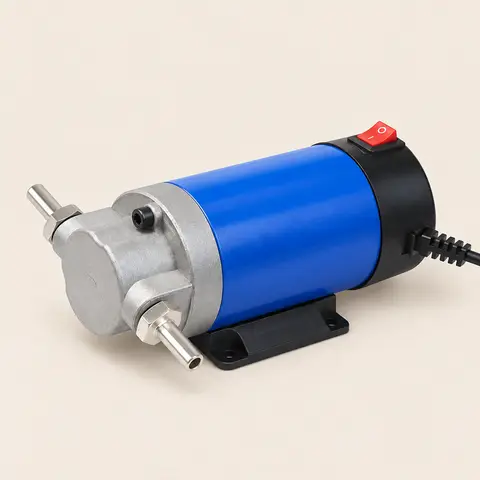
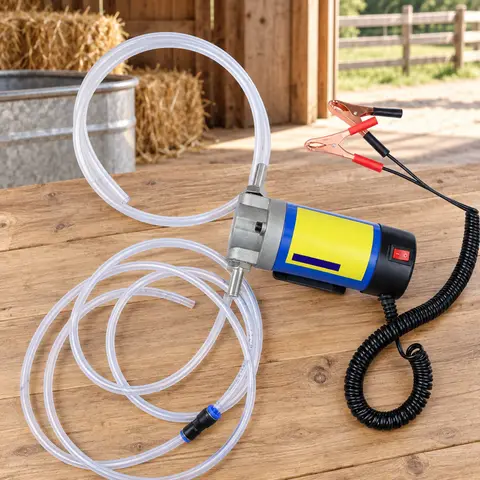
Transfer pumps in the store
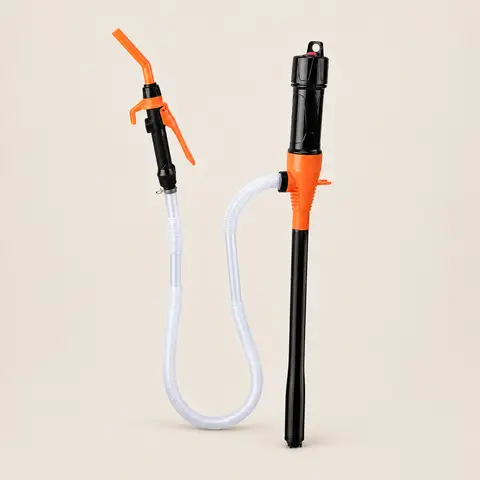
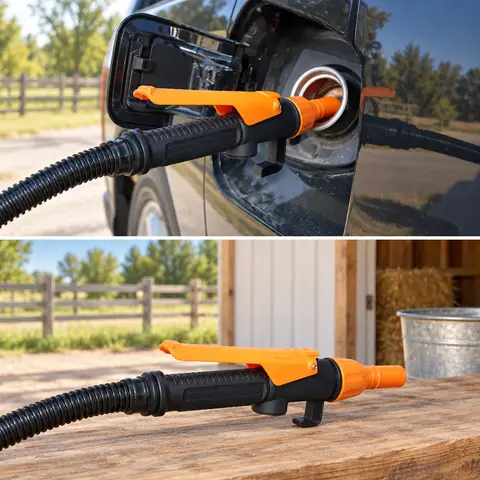
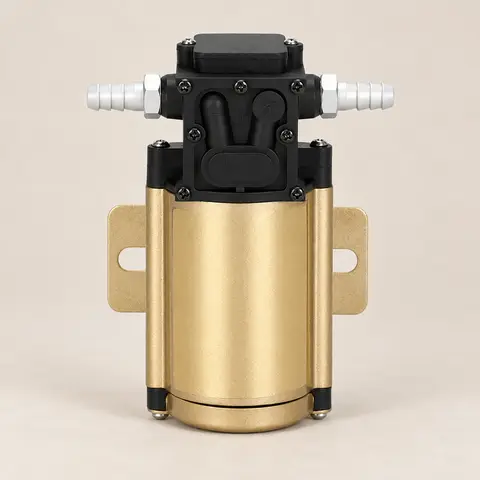 Save -19%
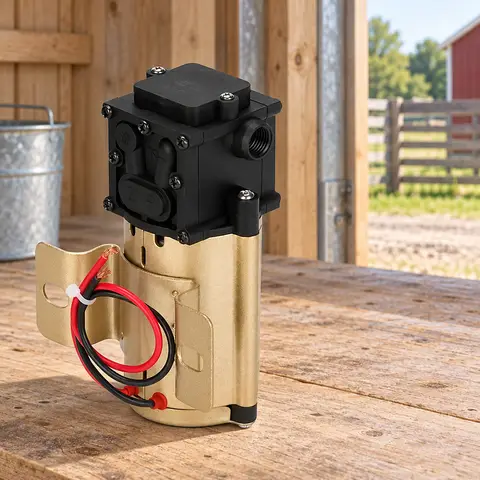
/ Safe refuelling routine
- 01Shut down and cool offTurn off the engine or heater and let hot parts cool before refuelling.
- 02Work outsideRefuel in the open air, away from pilot lights, welders, cigarettes and anything that sparks.
- 03Set up the hosePut the suction hose in the drum and the outlet firmly in the tank before switching the pump on.
- 04Watch the tankStay with the pump and switch it off before the tank is full to leave room for expansion.
- 05Drain and storeLet the hose drain back into the drum, cap everything and store the pump clean and dry.
/ Fence maintenance checklist
| Frequency | Tasks |
|---|---|
| Weekly | Walk or drive the line, check voltage at the far end |
| Monthly | Clear vegetation, tighten wires, check insulators |
| Seasonally | Test ground rods, inspect gates and corners |
/ Frequently asked
Can I use a fuel transfer pump for gasoline?+
Only if the pump is specifically rated for gasoline. Many small battery and 12V pumps are made for diesel, kerosene and water only.
How do I pump fuel out of a 55-gallon drum?+
Put the suction tube to the bottom of the drum, place the outlet hose in the receiving tank, then switch on the pump and stay with it until you switch it off.
Can one pump handle both diesel and oil?+
Some can, but thick oil flows more slowly, and you should still keep pumps separate to avoid contaminating fuel.