
Livestock & Barn · 7 min read
Best trail camera for farms: trigger speed, night vision and solar power
A trail camera shows you what is visiting the coop, the feed room or the back pasture at night. Here is which specs matter, how to place the camera and when solar power is worth it.
By COOPFORGE Field Desk · Updated
Key takeaways
- Trigger speed and detection range matter more than the megapixel number on the box.
- Infrared night vision lets you see predators without spooking them with a bright flash.
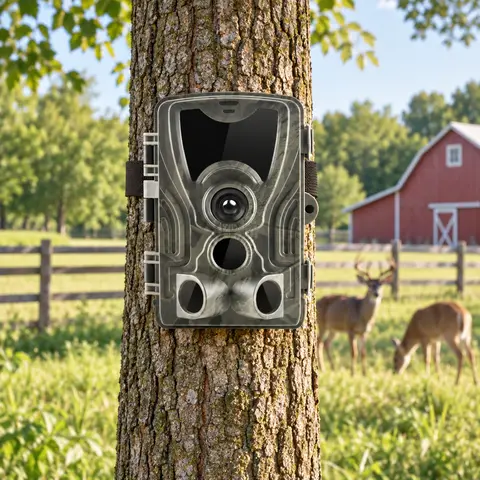
- Mount the camera about knee to waist height, angled along the path an animal will walk.
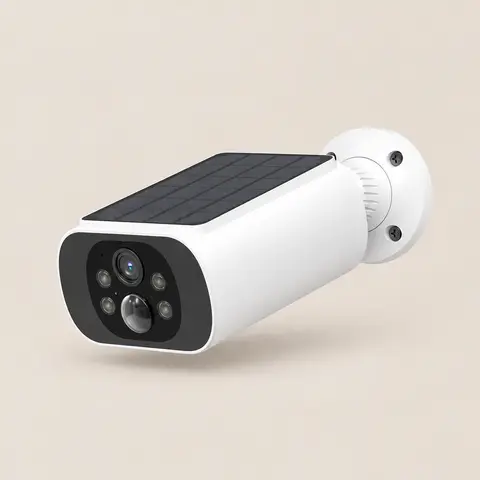
- Solar models suit cameras you only reach every few weeks; battery models are simplest for short checks.
/ Why farms use trail cameras
Most losses on a homestead happen when nobody is watching: a fox testing the run at 3 a.m., a raccoon in the feed room, a gap under the fence that a dog keeps using. A motion-triggered camera records exactly what came, when, and which way it went in, so you can fix the real problem instead of guessing.
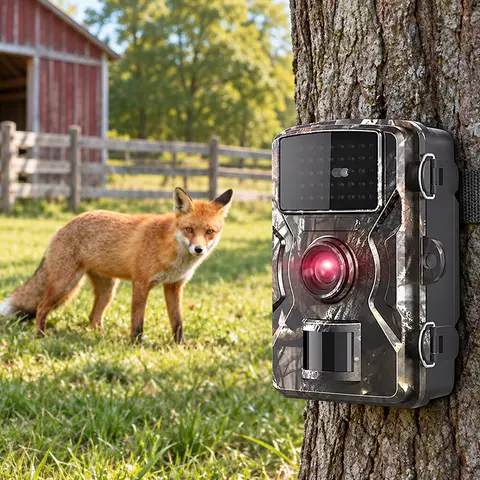
- Identify which predator is visiting the coop before you choose traps, fencing or lights
- Find the exact spot where animals cross or dig under a fence
- Watch water troughs, feeders and gates on the far side of the property
- Check on kidding, lambing or a broody hen without disturbing them
/ Specs that actually matter
| Spec | What it means | What to look for |
|---|---|---|
| Trigger speed | Time from motion to first photo | Under 0.5 seconds catches animals walking past instead of just their tail |
| Detection range | How far away motion is sensed | Match it to the spot: 30-50 ft covers most coops and gates |
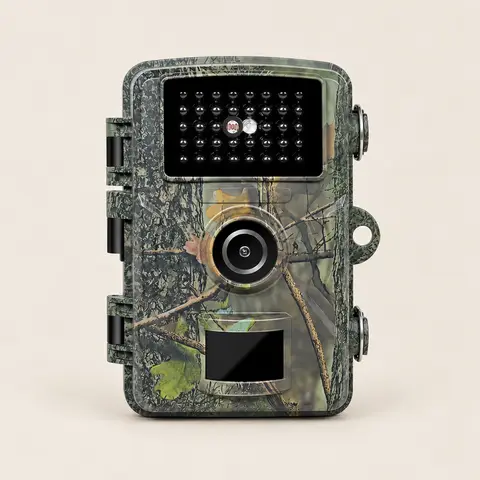
| Night vision | Infrared LEDs light the scene invisibly or with a faint glow | Infrared rather than white flash, so animals are not spooked |
| Video | Short clips instead of single photos | Clips show behavior, like how a predator gets into the run |
| Power | AA batteries, rechargeable or solar | Solar for remote spots; batteries for cameras you check weekly |
| Storage | SD card size the camera accepts | Check the maximum card size; cards are usually sold separately |
/ Where and how to mount it
- 01Pick the path, not the viewAim along a fence line, trail or doorway an animal must use, rather than across an open field.
- 02Set the heightFor foxes, raccoons and dogs, about knee height works well. For deer or people, go about waist to chest height.
- 03Angle it slightlyPoint the camera at about 45 degrees to the path so animals cross the detection zone instead of walking straight at it.
- 04Avoid sun glareWhere you can, face the camera north or south so sunrise and sunset do not trigger false shots or wash out photos.
- 05Clear the foregroundTrim grass and branches in front of the lens; moving plants cause hundreds of empty pictures.
- 06Test before you leaveWalk past at the distance you expect animals and check the shots on the screen or card.
/ Battery or solar?
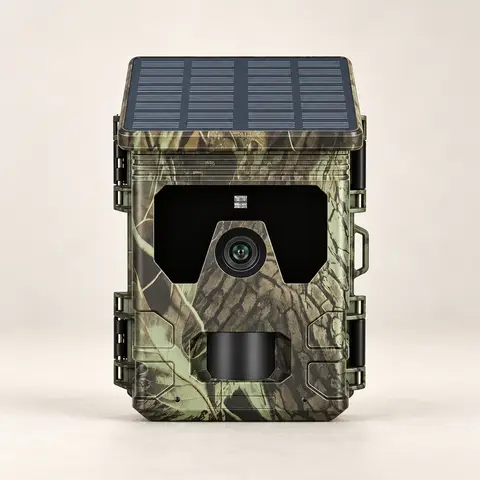
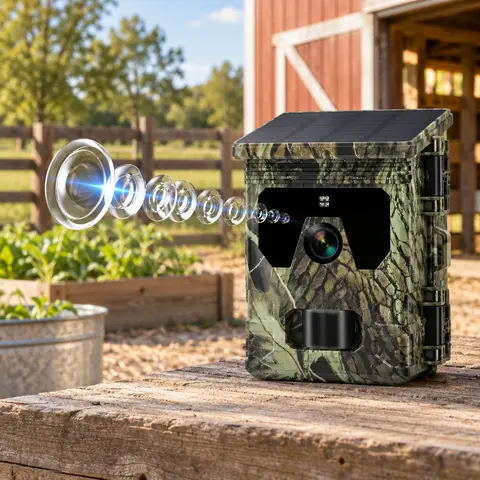
A battery camera is the simplest choice for a spot you visit every week, like the coop or barn door. If the camera sits at the back of the property or watches a trough you only reach now and then, a solar panel keeps the internal battery topped up so the camera is still running when you finally check it. Place the panel where it gets several hours of direct sun.
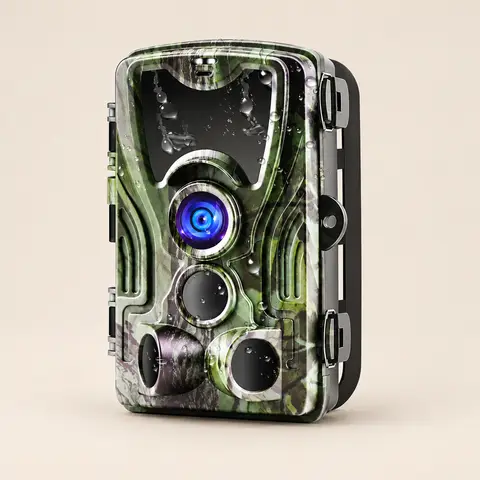
Trail and security cameras in the store
/ After you know what it is
Once the camera shows you the visitor, fix the weak point it used: an automatic coop door that closes at dusk, an electric offset wire against climbers, or a motion light by the run. Keep the camera in place for another week to confirm the fix works.
/ Herd care checklist
| Frequency | Tasks |
|---|---|
| Daily | Fresh water, feed, quick look at every animal's eyes, gait and appetite |
| Weekly | Clean waterers, check fences, refresh minerals |
| Monthly | Body condition score, check hooves, FAMACHA eyelid check for goats and sheep |
| Yearly | Vet visit, vaccinations, review feed plan |
/ Frequently asked
What is the best height to mount a trail camera for predators?+
Around knee height suits foxes, raccoons and dogs. Raise it to waist or chest height for deer or to watch people at a gate.
Will the infrared light scare animals away?+
Infrared LEDs give at most a faint red glow, and most animals ignore it. A white flash is far more likely to spook them.
Do trail cameras need Wi-Fi?+
No. Standard trail cameras save photos and video to an SD card. Wi-Fi or cellular models only add remote viewing.